Buy staffrental.eu ?
We are moving the project
staffrental.eu .
Are you interested in purchasing the domain
staffrental.eu ?
domain@kv-gmbh.de · 0541-91531010
Buy staffrental.eu ?
What is the difference between temporary staffing and recruitment?
Temporary staffing involves providing workers to companies on a short-term basis to fill immediate needs, such as covering for sick leave or seasonal work. Recruitment, on the other hand, is the process of sourcing, screening, and selecting candidates for permanent positions within a company. Temporary staffing is more focused on providing immediate solutions for staffing shortages, while recruitment is about finding the right long-term fit for a specific role within an organization. **
What is the difference between temporary staffing and recruitment services?
Temporary staffing involves providing companies with short-term employees to fill immediate needs, such as covering for sick leave or seasonal work. These temporary workers are employed by the staffing agency and are not considered permanent employees of the company they are placed at. On the other hand, recruitment services focus on finding permanent employees for companies by sourcing, screening, and selecting candidates for full-time positions within the organization. Recruitment services aim to match the right candidate with the right job for a long-term fit, whereas temporary staffing is more focused on providing immediate, short-term solutions to staffing needs. **

Similar search terms for Patients
Top-Angebote
Products related to Patients:
-
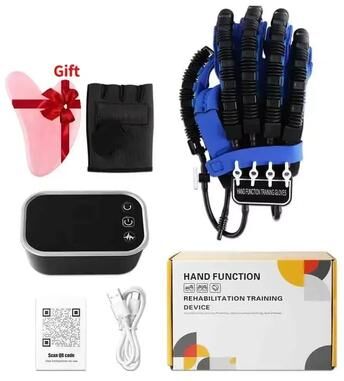
Inspired Finds Automatic Rehabilitation Robot Gloves Stroke Recovery Hand Therapy & Finger Training Device For Hemiplegia Patients right Hand size MRebuild strength, flexibility, and independence with the robot gloves for rehabilitation designed for stroke survivors and patients with hemiplegia. This advanced hand therapy device automatically assists finger movement, encouraging recovery...186,99 $*Shipping: 0,00 $Secure redirect to the provider
-
Inspired Finds Automatic Rehabilitation Robot Gloves Stroke Recovery Hand Therapy & Finger Training Device For Hemiplegia Patients right Hand size LRebuild strength, flexibility, and independence with the robot gloves for rehabilitation designed for stroke survivors and patients with hemiplegia. This advanced hand therapy device automatically assists finger movement, encouraging recovery...186,99 $*Shipping: 0,00 $Secure redirect to the provider
-
Inspired Finds Automatic Rehabilitation Robot Gloves Stroke Recovery Hand Therapy & Finger Training Device For Hemiplegia Patients right Hand size XxlRebuild strength, flexibility, and independence with the robot gloves for rehabilitation designed for stroke survivors and patients with hemiplegia. This advanced hand therapy device automatically assists finger movement, encouraging recovery...186,99 $*Shipping: 0,00 $Secure redirect to the provider
-
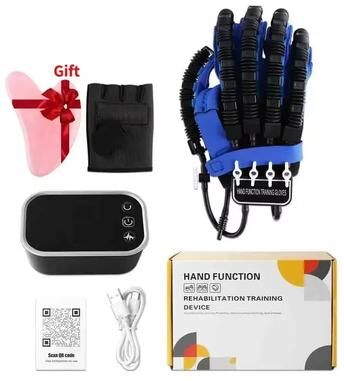
Inspired Finds Automatic Rehabilitation Robot Gloves Stroke Recovery Hand Therapy & Finger Training Device For Hemiplegia Patients left Hand size MRebuild strength, flexibility, and independence with the robot gloves for rehabilitation designed for stroke survivors and patients with hemiplegia. This advanced hand therapy device automatically assists finger movement, encouraging recovery...186,99 $*Shipping: 0,00 $Secure redirect to the provider



-
May patients and caregivers...?
May patients and caregivers seek support and guidance from healthcare professionals and support groups to better understand and manage their medical conditions. It is important for patients and caregivers to stay informed and educated about the condition, treatment options, and potential side effects. Seeking out reliable sources of information and connecting with others who have similar experiences can help patients and caregivers feel more empowered and supported in their journey. **
-
What about coma patients?
Coma patients are individuals who are in a state of prolonged unconsciousness and are unable to respond to their environment. The causes of coma can vary, including traumatic brain injury, stroke, or metabolic disorders. Treatment and prognosis for coma patients depend on the underlying cause of the coma and the individual's overall health. Medical professionals will typically provide supportive care, monitor vital signs, and conduct diagnostic tests to determine the cause of the coma and develop a treatment plan. Rehabilitation may also be necessary for coma patients to help them regain function and improve their quality of life. **
-
Can pain patients donate?
Yes, pain patients can donate blood as long as they meet the eligibility criteria set by blood donation centers. Chronic pain or pain medication use alone does not disqualify someone from donating blood. However, certain conditions or medications may impact eligibility, so it is important for pain patients to disclose their medical history and current medications during the screening process. It is recommended that individuals consult with their healthcare provider or the blood donation center if they have any concerns about their eligibility to donate. **
-
Can a therapist reject patients?
Yes, a therapist can reject patients under certain circumstances. Therapists may choose to reject a patient if they feel they are not the best fit for the individual's needs or if they believe they cannot provide the necessary support. Additionally, therapists may reject patients if there is a conflict of interest, if the patient poses a risk to themselves or others, or if the therapist is not able to accommodate the patient's schedule or payment preferences. It is important for therapists to prioritize the well-being of both the patient and themselves in making these decisions. **


Can a therapist refuse patients?
Yes, a therapist can refuse to take on a patient for various reasons. Some common reasons for refusal include if the therapist believes they do not have the expertise to effectively help the patient, if there is a conflict of interest, or if the therapist believes the patient's needs would be better served by a different type of professional. It is important for therapists to prioritize the well-being of both the patient and themselves in making decisions about taking on new clients. **
Do therapists Google their patients?
Therapists generally do not Google their patients as it is considered unethical to gather information about a patient outside of the therapy sessions. Therapists are expected to rely on the information provided by the patient during their sessions and to maintain professional boundaries. Googling a patient could potentially violate their privacy and trust, and could also lead to biased assumptions about the patient. It is important for therapists to respect the confidentiality and trust of their patients. **
Top-Angebote
Products related to Patients:
-
Inspired Finds Automatic Rehabilitation Robot Gloves Stroke Recovery Hand Therapy & Finger Training Device For Hemiplegia Patients right Hand size SRebuild strength, flexibility, and independence with the robot gloves for rehabilitation designed for stroke survivors and patients with hemiplegia. This advanced hand therapy device automatically assists finger movement, encouraging recovery...186,99 $*Shipping: 0,00 $Secure redirect to the provider
-
Inspired Finds Automatic Rehabilitation Robot Gloves Stroke Recovery Hand Therapy & Finger Training Device For Hemiplegia Patients left Hand size LRebuild strength, flexibility, and independence with the robot gloves for rehabilitation designed for stroke survivors and patients with hemiplegia. This advanced hand therapy device automatically assists finger movement, encouraging recovery...186,99 $*Shipping: 0,00 $Secure redirect to the provider
-
Inspired Finds Automatic Rehabilitation Robot Gloves Stroke Recovery Hand Therapy & Finger Training Device For Hemiplegia Patients right Hand size MRebuild strength, flexibility, and independence with the robot gloves for rehabilitation designed for stroke survivors and patients with hemiplegia. This advanced hand therapy device automatically assists finger movement, encouraging recovery...186,99 $*Shipping: 0,00 $Secure redirect to the provider
-
Inspired Finds Automatic Rehabilitation Robot Gloves Stroke Recovery Hand Therapy & Finger Training Device For Hemiplegia Patients right Hand size LRebuild strength, flexibility, and independence with the robot gloves for rehabilitation designed for stroke survivors and patients with hemiplegia. This advanced hand therapy device automatically assists finger movement, encouraging recovery...186,99 $*Shipping: 0,00 $Secure redirect to the provider
-
What is the difference between temporary staffing and recruitment?
Temporary staffing involves providing workers to companies on a short-term basis to fill immediate needs, such as covering for sick leave or seasonal work. Recruitment, on the other hand, is the process of sourcing, screening, and selecting candidates for permanent positions within a company. Temporary staffing is more focused on providing immediate solutions for staffing shortages, while recruitment is about finding the right long-term fit for a specific role within an organization. **
-
What is the difference between temporary staffing and recruitment services?
Temporary staffing involves providing companies with short-term employees to fill immediate needs, such as covering for sick leave or seasonal work. These temporary workers are employed by the staffing agency and are not considered permanent employees of the company they are placed at. On the other hand, recruitment services focus on finding permanent employees for companies by sourcing, screening, and selecting candidates for full-time positions within the organization. Recruitment services aim to match the right candidate with the right job for a long-term fit, whereas temporary staffing is more focused on providing immediate, short-term solutions to staffing needs. **
-
May patients and caregivers...?
May patients and caregivers seek support and guidance from healthcare professionals and support groups to better understand and manage their medical conditions. It is important for patients and caregivers to stay informed and educated about the condition, treatment options, and potential side effects. Seeking out reliable sources of information and connecting with others who have similar experiences can help patients and caregivers feel more empowered and supported in their journey. **
-
What about coma patients?
Coma patients are individuals who are in a state of prolonged unconsciousness and are unable to respond to their environment. The causes of coma can vary, including traumatic brain injury, stroke, or metabolic disorders. Treatment and prognosis for coma patients depend on the underlying cause of the coma and the individual's overall health. Medical professionals will typically provide supportive care, monitor vital signs, and conduct diagnostic tests to determine the cause of the coma and develop a treatment plan. Rehabilitation may also be necessary for coma patients to help them regain function and improve their quality of life. **
Similar search terms for Patients
-
Inspired Finds Automatic Rehabilitation Robot Gloves Stroke Recovery Hand Therapy & Finger Training Device For Hemiplegia Patients right Hand size XxlRebuild strength, flexibility, and independence with the robot gloves for rehabilitation designed for stroke survivors and patients with hemiplegia. This advanced hand therapy device automatically assists finger movement, encouraging recovery...186,99 $*Shipping: 0,00 $Secure redirect to the provider
-
Inspired Finds Automatic Rehabilitation Robot Gloves Stroke Recovery Hand Therapy & Finger Training Device For Hemiplegia Patients left Hand size MRebuild strength, flexibility, and independence with the robot gloves for rehabilitation designed for stroke survivors and patients with hemiplegia. This advanced hand therapy device automatically assists finger movement, encouraging recovery...186,99 $*Shipping: 0,00 $Secure redirect to the provider
-
Inspired Finds Automatic Rehabilitation Robot Gloves Stroke Recovery Hand Therapy & Finger Training Device For Hemiplegia Patients left Hand size XxlRebuild strength, flexibility, and independence with the robot gloves for rehabilitation designed for stroke survivors and patients with hemiplegia. This advanced hand therapy device automatically assists finger movement, encouraging recovery...186,99 $*Shipping: 0,00 $Secure redirect to the provider
-
Inspired Finds Automatic Rehabilitation Robot Gloves Stroke Recovery Hand Therapy & Finger Training Device For Hemiplegia Patients left Hand size XlRebuild strength, flexibility, and independence with the robot gloves for rehabilitation designed for stroke survivors and patients with hemiplegia. This advanced hand therapy device automatically assists finger movement, encouraging recovery...186,99 $*Shipping: 0,00 $Secure redirect to the provider
-
Can pain patients donate?
Yes, pain patients can donate blood as long as they meet the eligibility criteria set by blood donation centers. Chronic pain or pain medication use alone does not disqualify someone from donating blood. However, certain conditions or medications may impact eligibility, so it is important for pain patients to disclose their medical history and current medications during the screening process. It is recommended that individuals consult with their healthcare provider or the blood donation center if they have any concerns about their eligibility to donate. **
-
Can a therapist reject patients?
Yes, a therapist can reject patients under certain circumstances. Therapists may choose to reject a patient if they feel they are not the best fit for the individual's needs or if they believe they cannot provide the necessary support. Additionally, therapists may reject patients if there is a conflict of interest, if the patient poses a risk to themselves or others, or if the therapist is not able to accommodate the patient's schedule or payment preferences. It is important for therapists to prioritize the well-being of both the patient and themselves in making these decisions. **
-
Can a therapist refuse patients?
Yes, a therapist can refuse to take on a patient for various reasons. Some common reasons for refusal include if the therapist believes they do not have the expertise to effectively help the patient, if there is a conflict of interest, or if the therapist believes the patient's needs would be better served by a different type of professional. It is important for therapists to prioritize the well-being of both the patient and themselves in making decisions about taking on new clients. **
-
Do therapists Google their patients?
Therapists generally do not Google their patients as it is considered unethical to gather information about a patient outside of the therapy sessions. Therapists are expected to rely on the information provided by the patient during their sessions and to maintain professional boundaries. Googling a patient could potentially violate their privacy and trust, and could also lead to biased assumptions about the patient. It is important for therapists to respect the confidentiality and trust of their patients. **
* All prices are inclusive of VAT and, if applicable, plus shipping costs. The offer information is based on the details provided by the respective shop and is updated through automated processes. Real-time updates do not occur, so deviations can occur in individual cases. ** Note: Parts of this content were created by AI.