Buy staffrental.eu ?
We are moving the project
staffrental.eu .
Are you interested in purchasing the domain
staffrental.eu ?
domain@kv-gmbh.de · 0541-91531010
Buy staffrental.eu ?
What is the difference between temporary staffing and recruitment?
Temporary staffing involves providing workers to companies on a short-term basis to fill immediate needs, such as covering for sick leave or seasonal work. Recruitment, on the other hand, is the process of sourcing, screening, and selecting candidates for permanent positions within a company. Temporary staffing is more focused on providing immediate solutions for staffing shortages, while recruitment is about finding the right long-term fit for a specific role within an organization. **
What is the difference between temporary staffing and recruitment services?
Temporary staffing involves providing companies with short-term employees to fill immediate needs, such as covering for sick leave or seasonal work. These temporary workers are employed by the staffing agency and are not considered permanent employees of the company they are placed at. On the other hand, recruitment services focus on finding permanent employees for companies by sourcing, screening, and selecting candidates for full-time positions within the organization. Recruitment services aim to match the right candidate with the right job for a long-term fit, whereas temporary staffing is more focused on providing immediate, short-term solutions to staffing needs. **


Similar search terms for TOPEX-02A403-Machinist-Hammer
Top-Angebote
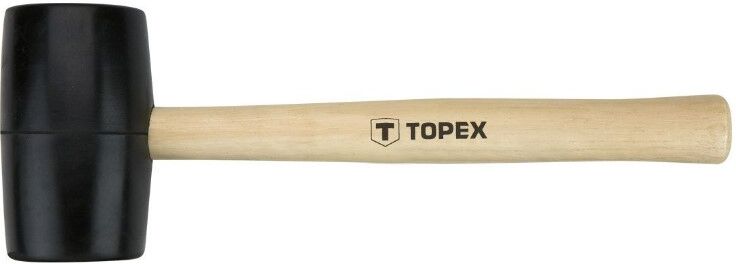
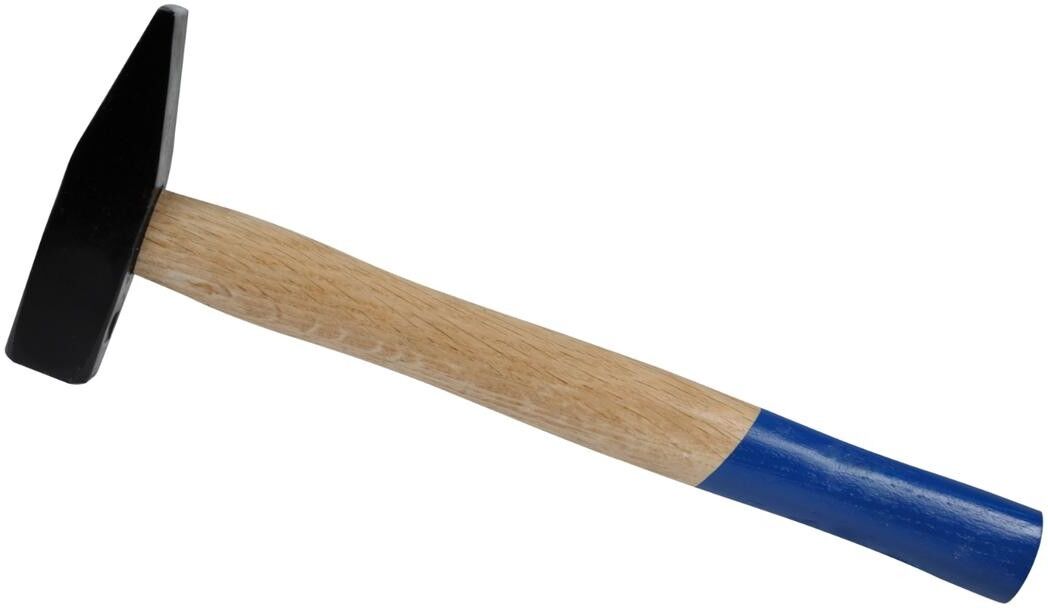
Products related to TOPEX-02A403-Machinist-Hammer:


-
Does the machinist need Swiss recognition?
Yes, having Swiss recognition as a machinist can be beneficial as Switzerland is known for its high-quality precision manufacturing industry. Swiss recognition can enhance the machinist's credibility and open up opportunities for working with Swiss companies or in industries that value Swiss precision and expertise. Additionally, Swiss recognition may also lead to higher job prospects and potentially better salary opportunities for the machinist. **
-
Did the machinist fail the exam?
Yes, the machinist failed the exam. **
-
What weaknesses does a machinist have?
One weakness that a machinist may have is the potential for physical strain and injury due to the repetitive and precise nature of their work. Another weakness could be a lack of creativity or innovation in problem-solving, as machinists often follow set procedures and guidelines. Additionally, machinists may struggle with adapting to new technologies or software if they are not continuously updating their skills and knowledge in the field. **
-
How much does a machinist earn?
The salary of a machinist can vary depending on factors such as experience, location, and the specific industry they work in. On average, a machinist in the United States can earn between $35,000 to $60,000 per year. However, highly skilled and experienced machinists may earn more, especially if they work in industries such as aerospace or automotive manufacturing. Additionally, machinists who work in unionized environments may also have higher earning potential. **
What grades does a machinist need?
To become a machinist, typically a high school diploma or equivalent is required. Some employers may prefer candidates with additional education or training in machining or a related field, such as a certificate or associate's degree. Machinists also need to have strong math and problem-solving skills, as well as the ability to read and interpret technical drawings and blueprints. Additionally, machinists may benefit from on-the-job training or apprenticeships to further develop their skills and knowledge in the field. **
What are the weaknesses of a machinist?
Some weaknesses of a machinist may include a lack of attention to detail, which can result in errors in measurements or machining processes. Another weakness could be a limited understanding of complex machining techniques or materials, which may hinder their ability to work on more advanced projects. Additionally, a machinist may struggle with adapting to new technologies or software used in modern machining processes, which can impact their efficiency and productivity. **
Top-Angebote
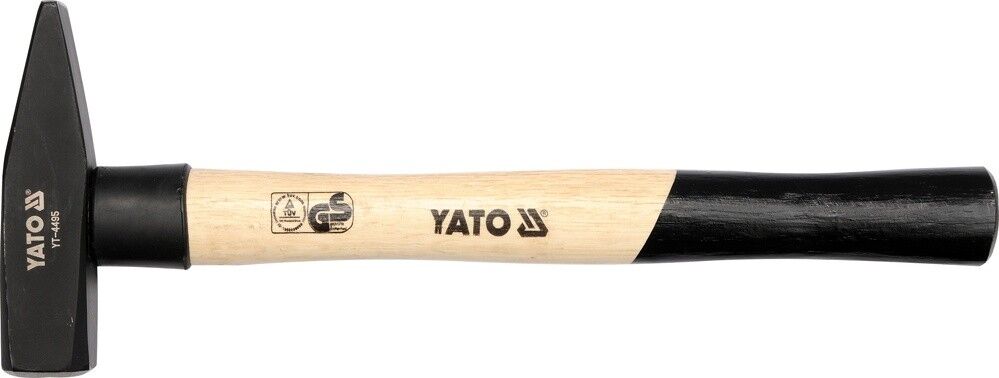
Products related to TOPEX-02A403-Machinist-Hammer:
-
What is the difference between temporary staffing and recruitment?
Temporary staffing involves providing workers to companies on a short-term basis to fill immediate needs, such as covering for sick leave or seasonal work. Recruitment, on the other hand, is the process of sourcing, screening, and selecting candidates for permanent positions within a company. Temporary staffing is more focused on providing immediate solutions for staffing shortages, while recruitment is about finding the right long-term fit for a specific role within an organization. **
-
What is the difference between temporary staffing and recruitment services?
Temporary staffing involves providing companies with short-term employees to fill immediate needs, such as covering for sick leave or seasonal work. These temporary workers are employed by the staffing agency and are not considered permanent employees of the company they are placed at. On the other hand, recruitment services focus on finding permanent employees for companies by sourcing, screening, and selecting candidates for full-time positions within the organization. Recruitment services aim to match the right candidate with the right job for a long-term fit, whereas temporary staffing is more focused on providing immediate, short-term solutions to staffing needs. **
-
Does the machinist need Swiss recognition?
Yes, having Swiss recognition as a machinist can be beneficial as Switzerland is known for its high-quality precision manufacturing industry. Swiss recognition can enhance the machinist's credibility and open up opportunities for working with Swiss companies or in industries that value Swiss precision and expertise. Additionally, Swiss recognition may also lead to higher job prospects and potentially better salary opportunities for the machinist. **
-
Did the machinist fail the exam?
Yes, the machinist failed the exam. **
Similar search terms for TOPEX-02A403-Machinist-Hammer
-
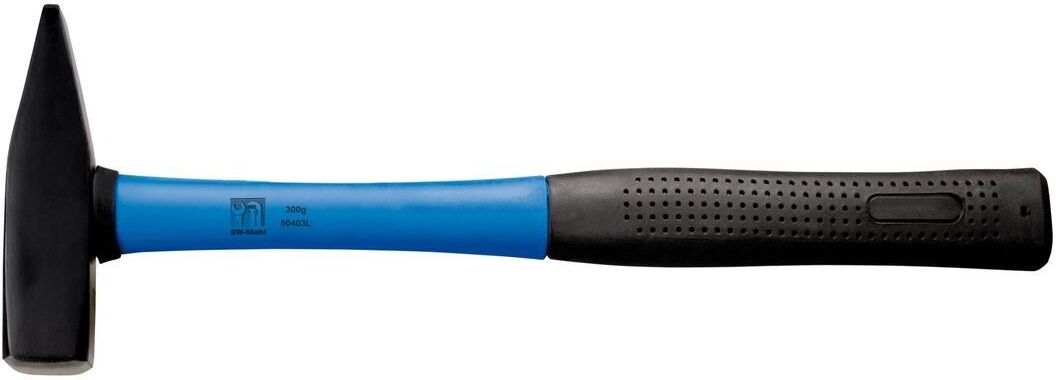
SW-Stahl 50405L Machinist HammerLength [mm]: 340; Width [mm]: 120; Height: 28; Quality: Premium; Weight [kg]: 0,712, 1.15; Packaging: Poly bag; Hammer head weight [g]: 500; Tool handle material: GRP (Glass fibre Reinforced Plastic); Tool handle surface: Rubberized8,99 £*Shipping: 8,45 £Secure redirect to the provider
-
What weaknesses does a machinist have?
One weakness that a machinist may have is the potential for physical strain and injury due to the repetitive and precise nature of their work. Another weakness could be a lack of creativity or innovation in problem-solving, as machinists often follow set procedures and guidelines. Additionally, machinists may struggle with adapting to new technologies or software if they are not continuously updating their skills and knowledge in the field. **
-
How much does a machinist earn?
The salary of a machinist can vary depending on factors such as experience, location, and the specific industry they work in. On average, a machinist in the United States can earn between $35,000 to $60,000 per year. However, highly skilled and experienced machinists may earn more, especially if they work in industries such as aerospace or automotive manufacturing. Additionally, machinists who work in unionized environments may also have higher earning potential. **
-
What grades does a machinist need?
To become a machinist, typically a high school diploma or equivalent is required. Some employers may prefer candidates with additional education or training in machining or a related field, such as a certificate or associate's degree. Machinists also need to have strong math and problem-solving skills, as well as the ability to read and interpret technical drawings and blueprints. Additionally, machinists may benefit from on-the-job training or apprenticeships to further develop their skills and knowledge in the field. **
-
What are the weaknesses of a machinist?
Some weaknesses of a machinist may include a lack of attention to detail, which can result in errors in measurements or machining processes. Another weakness could be a limited understanding of complex machining techniques or materials, which may hinder their ability to work on more advanced projects. Additionally, a machinist may struggle with adapting to new technologies or software used in modern machining processes, which can impact their efficiency and productivity. **
* All prices are inclusive of VAT and, if applicable, plus shipping costs. The offer information is based on the details provided by the respective shop and is updated through automated processes. Real-time updates do not occur, so deviations can occur in individual cases. ** Note: Parts of this content were created by AI.